Kawaii Bakery Cat Clipart: A Designer's Real-World Review
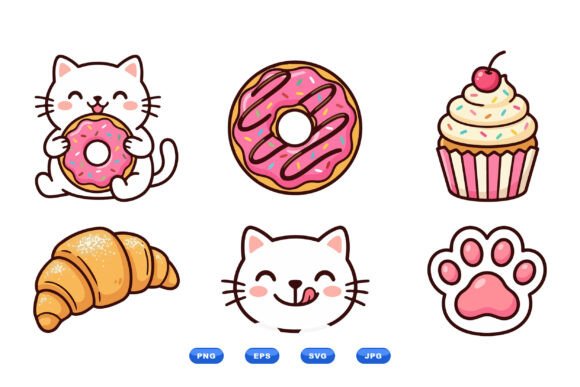
As an embroidery designer who has stitched thousands of designs for everything from high-end boutique apparel to quick craft fair giveaways, I have learned that the most important part of a project isn't just the machine running; it is the design itself. Recently, I came across Kawaii Bakery Cat Clipart, a collection described as a happy white cat with donut, cupcake, and croissant icons in a pastel palette. While the description sounds simple, my job is to look past the marketing words and determine if this graphic actually translates well into a tangible, stitched reality. Is this something I would trust with a client's custom order? Can it survive the rigors of a washing machine while looking adorable? Let's dive into a practical evaluation.
The First Impression: Mood and Visual Personality
When I first opened the files for Kawaii Bakery Cat Clipart, the immediate feeling was one of pure whimsy. The "kawaii" aesthetic is not just a trend; it is a specific emotional language that communicates friendliness, innocence, and approachability. In the world of embroidery, where texture and thread can sometimes make designs feel heavy or stiff, this flat vector style offers a refreshing lightness. The pastel palette is crucial here. Unlike bold, saturated colors that demand attention, these soft hues suggest a gentle touch, making them perfect for nursery decor or baby items where harsh contrasts might be overwhelming.
The layout of the cat alongside bakery treats creates a natural narrative. It isn't just a random assortment of shapes; it tells a story of sweetness and comfort. For a designer, this narrative value is gold. When you are creating a handmade product, the story behind the image often sells the item more than the stitch quality alone. This design feels like it belongs on a kitchen towel hanging by a stove, a tote bag for a baker, or a onesie for a toddler who loves snacks. It has a distinct visual personality that stands out without being aggressive.
Real-Life Application: The Custom Tote Bag Scenario
To truly test Kawaii Bakery Cat Clipart, I imagined a real-world scenario: a request from a small business owner for a custom embroidered tote bag for their new bakery. They wanted something that screamed "cute" but also looked professional enough to be sold as merchandise. This is where the rubber meets the road.
In theory, a flat vector illustration works beautifully on canvas or cotton twill. However, when converting a digital graphic into a machine embroidery design, we have to consider how the stitches will interact with the fabric. The white cat needs to pop against the background, but if the background fabric is dark, the white threads must be dense enough to prevent show-through. If this design were placed on a pastel pink tote bag, the white cat might disappear unless there is a contrasting outline or shadow stitch added during digitizing.
I also considered the application on a sweatshirt. The plush texture of fleece can swallow up fine details. If the original vector has tiny lines representing the cat's whiskers or the sprinkles on the donut, those might get lost in the pile of the fabric. For a sweatshirt embroidery project, I would recommend simplifying the smallest details or ensuring the digitizer uses a satin stitch border to define the edges clearly. The goal is to ensure the finished product retains that playful charm even after the needle has done its work.
Where Caution is Required: Fabric and Size Limitations
Not every surface is created equal, and Kawaii Bakery Cat Clipart is no exception. There are specific scenarios where this design requires careful consideration. One major factor is the hoop size. If you are working with a small hoop, such as one used for caps or small patches, the intricate details of the croissant layers or the cupcake swirls might become too crowded. Crowding leads to puckering, which ruins the clean lines of a flat design.
Textured fabrics present another challenge. Embroidery on linen, burlap, or heavily textured knits can distort the smooth curves of the kawaii cat. The uneven surface makes it difficult to maintain consistent stitch density. Similarly, stretchy fabrics like jersey or spandex blends require special handling. Without the correct stabilizer and a proper underlay, the tension of the stitches could cause the fabric to pucker around the design, making the cat look distorted rather than cute.
Dense stitch areas are also a concern. If the design includes large blocks of fill stitch, especially in pastel colors, the fabric underneath might become stiff. This stiffness can be uncomfortable on a baby's skin or on a garment that is meant to be draped loosely. Additionally, if you plan to use this for embroidered patch applications, the backing material must be strong enough to support the weight of the threads without fraying at the edges. Always inspect the small details before committing to a full production run.
Impact on Brand and Customer Perception
For Etsy sellers and creative entrepreneurs, the visual appeal of your finished product directly impacts customer trust and brand consistency. A poorly executed design can make a shop look amateurish, even if the stitching is technically sound. Kawaii Bakery Cat Clipart, when executed correctly, elevates the perceived value of a small shop product. It suggests that the maker cares about aesthetics and understands current trends.
The versatility of this design allows for a wide range of personalized gifts. Imagine a set of matching aprons for a family baking together, or a pillow cover featuring the cat holding a cupcake for a housewarming gift. The pastel theme ensures it fits into modern home decor styles, from Scandinavian minimalism to shabby chic. However, if the design is too detailed or the colors clash with the fabric, it can detract from the overall presentation. Professionalism in embroidery comes from knowing when to simplify and when to let the design shine.
Practical Notes for the Embroidery Designer
Before you load this file into your machine, there are several technical steps you must take. First, always test the design on scrap fabric that matches your final project in terms of weight and texture. This helps you gauge how the stitch density interacts with the material. Check the thread color contrast carefully; pastel threads on a light background may lack definition, requiring a subtle outline or a different thread shade to create depth.
Review the stitch types included in the file. Are the outlines done in satin stitch for a crisp edge? Is the fill stitch appropriate for the area, or does it need to be converted to a running stitch for a softer look? Confirm the recommended hoop size and ensure your stabilizer choice supports the fabric type. If you are unsure about the file formats or compatibility with your specific machine, check the download package details before proceeding.
Another critical step is to test the design in black and white mockups. Sometimes, a colorful vector looks great on screen but loses its impact when translated into thread. Comparing light and dark fabric backgrounds will help you decide if the design needs adjustments, such as adding a contrasting border or changing the thread palette. Finally, confirm the licensing terms. Whether you are selling commercial embroidery projects or using this for personal use, understanding the rights associated with the digital embroidery file is essential to avoid legal issues.
In conclusion, Kawaii Bakery Cat Clipart holds significant potential for designers looking to add a touch of sweetness to their portfolio. Its flat vector nature and pastel palette make it ideal for a variety of products, from tote bag designs to holiday embroidery gifts. However, success depends on the skill of the digitizer and the care taken during the stitching process. By testing thoroughly and respecting the limitations of the medium, you can turn this digital graphic into a stunning, marketable finished product that customers will love.