Cold Coffee T-shirt Sublimation Clipart Review
As a designer who spends more time with a hoop than a mouse, I am constantly scanning for graphics that translate well from screen to stitch. Today, I am putting Cold Coffee T-shirt Sublimation Clipart under the microscope. It arrives in the Freebies category as a Graphics asset, and while it claims to be a trendy design for sublimation, my job is to determine if it can survive the rigors of machine embroidery. The market is flooded with digital files, but few offer the practical insight needed before you commit to a production run.
The First Impression: Mood and Visual Personality
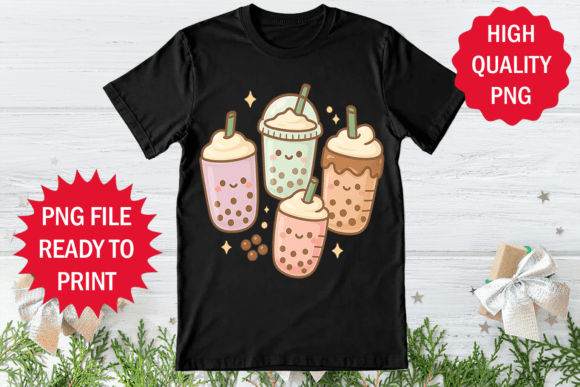
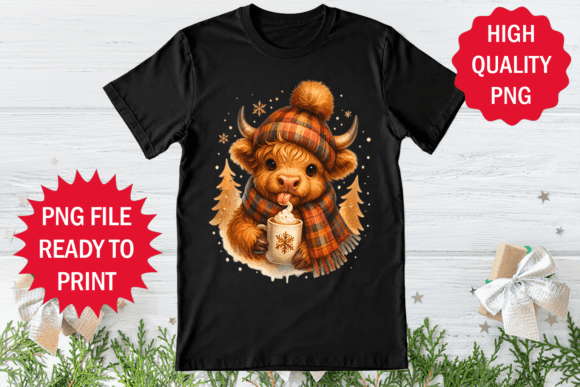
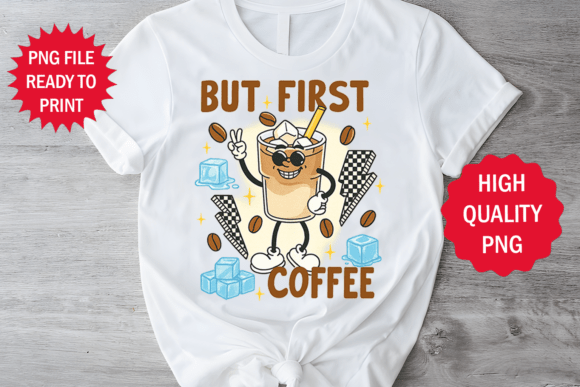
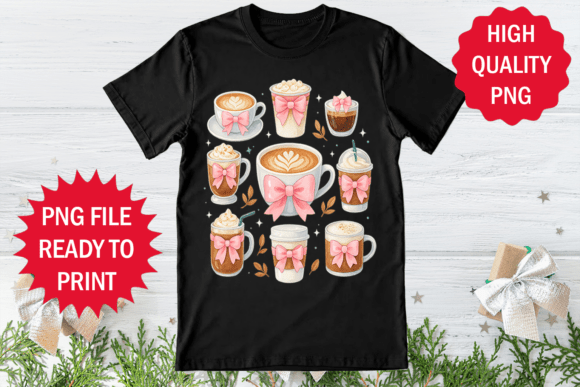
When I first opened the file for Cold Coffee T-shirt Sublimation Clipart, the immediate feeling was one of cozy relaxation. The concept of winter cold coffee taps into a specific mood that resonates deeply with crafters and small business owners alike. It suggests warmth, comfort, and a slow morning routine. Visually, the layout appears balanced, likely featuring bold shapes that mimic the condensation on a glass or the steam rising from a mug. This kind of personality is perfect for a handmade product line that aims to feel authentic rather than mass-produced.
The design feels like it belongs on soft, textured fabrics where the visual weight of the image can anchor the garment. It does not scream for attention; instead, it invites the viewer in. For an embroidery project, this translates to a design that works beautifully as a statement piece on a sweatshirt or a subtle accent on a tote bag. The colorful nature of the graphic suggests it will add a pop of vibrancy against neutral backgrounds, making it a strong candidate for boutique branding or holiday gift items.
Real-World Application: From Screen to Stitch
Let me take you through a real scenario. Imagine you are preparing inventory for a local craft fair. You want to create a custom embroidered tote bag design that screams "cozy winter vibes." You decide to use Cold Coffee T-shirt Sublimation Clipart as the centerpiece. The goal is to produce a finished product that customers trust and love.
In this situation, the design's ability to render clearly is paramount. If you are stitching this onto a canvas tote, the fill stitches need to cover the fabric without creating a stiff, cardboard-like texture. The running stitch elements, if present, must follow the natural flow of the handle attachment points. When I think about a customer holding this bag at a booth, they expect the image to look crisp even after a few washes. A successful embroidery project relies on the harmony between the thread colors and the fabric texture. If the thread colors chosen do not match the original graphic's contrast, the visual appeal drops significantly.
This same logic applies to baby embroidery projects. A hoodie for a toddler requires a design that is safe, comfortable, and visually appealing. Cold Coffee T-shirt Sublimation Clipart could work well here, provided the detail level is appropriate for the smaller surface area. The design should not overwhelm the garment. Instead, it should act as a personalized gift element that makes the recipient smile. Whether it is a patch for a denim jacket or a decorative accent on a kitchen towel, the versatility of this graphic depends on how well it adapts to the specific medium.
Navigating the Challenges of Embroidery
However, not every sublimation-ready graphic is created equal for needlework. There are specific areas where Cold Coffee T-shirt Sublimation Clipart requires careful consideration. One major hurdle is the stitch density. If the original design relies on fine lines or tiny lettering, these details often get lost when converted to satin stitch or dense fill areas. On a curved surface like a cap or hat, maintaining the integrity of the image becomes even more difficult.
I would advise caution when using this design on stretchy fabrics or thin materials. Without proper stabilizer support, the tension of the machine can cause the fabric to pucker, distorting the coffee cup shape or blurring the text. Similarly, dark fabrics pose a challenge if the design relies on light threads for highlights. You might find that the contrast is insufficient, requiring additional outlining or a different color palette to ensure the embroidery file stands out.
Another potential pitfall is the size of the design relative to the hoop. If you attempt to stitch a large version of Cold Coffee T-shirt Sublimation Clipart on a small hoop, you risk losing critical details at the edges. For commercial embroidery projects, consistency is key. If you are selling these as part of a small shop product line, every item must look identical. Variations in thread tension or fabric grain can lead to customer dissatisfaction. Therefore, testing the design on scrap fabric first is not just a suggestion; it is a necessity.
Practical Designer Notes for Success
To ensure your embroidery project yields professional results, there are several technical steps you must take before starting the machine. First, review the stitch density. High-density designs can make a t-shirt feel heavy and uncomfortable, which is a poor choice for apparel decoration. Check whether the design works for both personal and commercial projects by verifying the license terms, especially if you plan to sell the finished items.
Inspect small details closely. If the graphic includes tiny text or intricate patterns, consider simplifying them for embroidery. Use a black and white mockup to check the contrast before committing to expensive thread colors. Compare how the design looks on both light and dark fabric backgrounds to ensure versatility. Using the proper stabilizer is crucial for preventing puckering, particularly on stretchy fabrics like jersey or fleece.
Finally, confirm the file format compatibility with your embroidery machine. While the source is described as a PNG sublimation file, most machines require specific formats like .DST, .PES, or .EXP. If the file needs conversion, ensure the digitizing process preserves the original artistic intent. Do not invent stitch counts or hoop sizes; rely on the actual specifications provided or test empirically. If the design includes complex gradients, remember that embroidery uses solid thread colors, so you may need to adjust the color palette to achieve the desired effect.
Final Verdict on Visual Appeal and Value
Ultimately, Cold Coffee T-shirt Sublimation Clipart has the potential to elevate a simple garment into a desirable handmade product. Its thematic relevance to winter and comfort makes it highly marketable for Etsy sellers and creative entrepreneurs. When executed correctly, it enhances brand consistency and boosts buyer engagement because it feels curated and thoughtful.
The design adds value to your finished product by offering a unique aesthetic that separates you from generic competitors. However, success depends entirely on the execution. By paying attention to thread colors, fabric texture, and stabilizer usage, you can transform a digital graphic into a tangible asset. Whether you are creating holiday gifts, aprons, or custom apparel, this design offers a solid foundation for your next creative endeavor. Just remember to test thoroughly, respect the limitations of the medium, and always prioritize the quality of the finished product over speed.