Latch Hook Heart PNG, Mama Sublimation Review
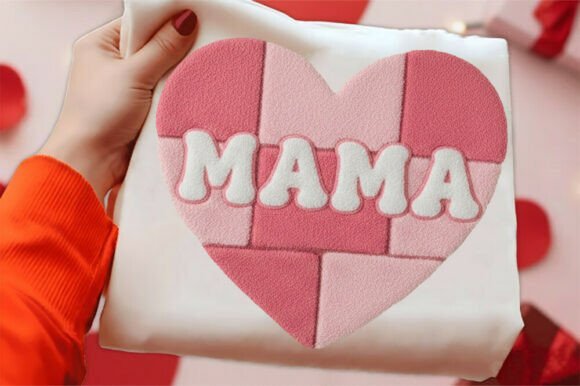
When I first opened the file for Latch Hook Heart PNG, Mama Sublimation, my initial reaction was a mix of curiosity and professional skepticism. As someone who has spent years turning digital assets into tangible, stitched masterpieces for clients, I know that not every pretty graphic translates well to thread. This piece falls under the category of Illustrations and Graphics, but its true potential lies in how it functions as a machine embroidery design. The visual personality here is warm, nostalgic, and distinctly handmade. It evokes the feeling of a cozy afternoon crafting session, which makes it perfect for projects targeting mothers, craft enthusiasts, or anyone looking for a personalized gift with a sentimental touch.
The resolution provided is impressive: a print-ready 4500×5400 pixel file at 300 DPI. For an embroidery designer, this high resolution is a massive plus because it ensures that when you scale the image down for a small patch or up for a large tote bag, the edges remain crisp. However, a PNG is just a raster image; it does not contain stitch data. To use Latch Hook Heart PNG, Mama Sublimation effectively, you must import it into your digitizing software to convert it into a functional embroidery file. The decision of whether to treat this as an applique design or a direct fill stitch pattern will depend entirely on your final product goals.
Bringing the Design to Life: A Real-World Scenario
Let me walk you through a real scenario where I would deploy this design. Imagine you are preparing a custom embroidered sweatshirt for a boutique client who specializes in maternity gifts. The customer wants something unique for a baby shower, featuring a heart motif that feels soft and textured rather than rigid and geometric. This is where Latch Hook Heart PNG, Mama Sublimation shines.
I would place this design on the chest area of a heather grey cotton blend sweatshirt. Because the heart shape mimics the texture of latch hook rugs, I would likely choose a satin stitch outline to define the perimeter clearly against the fabric, followed by a dense fill stitch using variegated yarn-like threads to mimic the "hooked" look. The result would be a tactile, dimensional piece that customers can feel, not just see. The visual appeal here is significant; it suggests care and effort, which directly boosts perceived value. When a buyer sees a finished product that looks like it took hours of handwork, they are more willing to pay a premium price, trusting the quality of the handmade product.
Alternatively, consider using this as a tote bag design. A canvas tote is a staple for the modern crafter. Stamping this heart onto a natural canvas bag with thick, contrasting thread creates a rustic charm that fits perfectly with current trends in Etsy seller shops. The high DPI of the source file ensures that even if the design is slightly distorted during the transfer process, the core shape remains recognizable. This reliability is crucial for maintaining brand consistency across multiple orders.
Technical Considerations for Stitching
While the visual concept is strong, practical application requires careful planning. One of the most critical factors is the stitch density. Since the design is meant to look like a latch hook rug, it naturally implies a certain level of fullness. If you digitize this with too light a fill, it might look flat and lose its character. Conversely, if the density is too high, you risk puckering the fabric, especially on lighter materials.
You must also consider the hoop size. While the file itself is large, the physical embroidery hoop limits your working area. If you are working on a curved surface like a cap or a hat, you need to ensure the design fits within the curvature without distorting the heart shape. Curved surfaces often require smaller designs or specific stabilization techniques to prevent the stitches from pulling apart. Similarly, if you plan to use this for embroidered patches, you will need to add a tight border or a merrow edge to keep the shape intact after cutting.
Fabric choice is another pivotal element. The latch hook aesthetic pairs beautifully with textured fabrics like fleece, chenille, or heavy cotton. However, caution is advised when using thin or stretchy fabrics. Without proper stabilizer, the tension required to create the "hooked" look could warp the material, leading to a messy finish. For dark fabric, you might need to adjust your thread colors to ensure sufficient contrast, perhaps opting for a lighter background layer or a high-contrast thread palette to make the design pop.
Where to Use (and Where to Be Careful)
This design is versatile enough for commercial embroidery projects, including holiday gifts, wedding favors, and boutique branding. The emotional resonance of a heart combined with the crafty vibe of a latch hook pattern makes it highly marketable for personalized gifts. It works exceptionally well for nursery decor, such as pillow covers or wall hangings, where the soft, rounded lines fit the gentle aesthetic parents seek.
However, there are areas where this design should be used with caution. Small hoop sizes present a challenge for intricate details. If the original design contains tiny corners or fine lines that are essential to the latch hook effect, shrinking them down for a keychain or a small button might result in lost detail. In these cases, simplifying the design might be necessary. Additionally, products that require frequent washing, like aprons or kitchen towels, demand robust stitching. You must verify that the running stitch or fill patterns used are secure enough to withstand industrial laundering cycles without unraveling.
Another consideration is the nature of the file itself. Since you are receiving a digital embroidery file in PNG format, you are responsible for the digitization process. Unlike pre-made .dst or .pes files, a PNG requires you to manually trace or auto-digitize the shapes. This means you have control over the applique design elements, allowing you to decide if you want to cut out the heart shape before stitching or simply embroider over the top. This flexibility is a double-edged sword; it offers creative freedom but adds a step that requires skill and time.
Final Thoughts on Visual Impact and Value
In the world of craft business, presentation is everything. A well-executed embroidery project tells a story. Latch Hook Heart PNG, Mama Sublimation provides a narrative of warmth and creativity that resonates deeply with buyers. When used correctly, it elevates a simple item into a cherished keepsake. The clarity of the 300 DPI source ensures that your printable mockups and digital previews look professional, helping you attract more traffic to your small shop product listings.
To ensure success, I strongly recommend testing the design on scrap fabric first. Check the thread color contrast and inspect small details closely. Review the stitch density to avoid bulkiness, and confirm that your machine compatibility settings align with the design's requirements. Always check licensing terms before selling finished items or using the design in commercial projects. By taking these practical steps, you can transform a simple graphic into a standout piece of art that your customers will love.
Ultimately, Latch Hook Heart PNG, Mama Sublimation is a valuable asset for any designer looking to add a touch of nostalgia and texture to their portfolio. Whether you are creating a custom apparel line, a set of baby clothes, or a collection of holiday decorations, this design offers the foundation for a beautiful, high-quality finished product. With the right approach to digitization and execution, it has the potential to become a signature element in your creative work.