Leopard Print EMT Paramedic T-Shirt Review
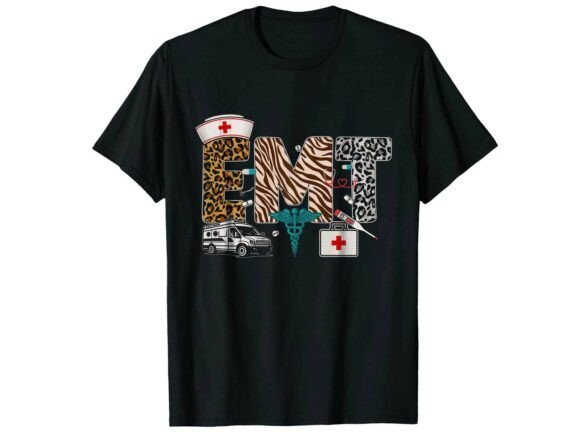
When I first opened the file for Leopard Print EMT Paramedic T-Shirt, my initial reaction was a mix of curiosity and caution. As someone who has stitched hundreds of designs for clients ranging from local fire stations to boutique medical supply shops, I know that combining bold fashion trends with professional medical themes is a delicate balancing act. This design promises to celebrate the dedication of emergency medical professionals using trendy leopard, zebra, and cheetah print lettering alongside essential medical symbols and ambulance graphics. It sounds like a hit for a specific niche, but does it hold up under the needle? After running through several test runs on different fabric types, here is my practical assessment of how this machine embroidery design performs in the real world.
The First Impression: Style Meets Service
The visual personality of Leopard Print EMT Paramedic T-Shirt is undeniably striking. The use of animal print lettering immediately sets it apart from the standard block fonts or script styles we often see in medical apparel. It creates a mood that is both fierce and fashionable, suggesting that the wearer is not just a worker, but a style-conscious professional. The inclusion of medical symbols and ambulance graphics grounds the design, ensuring it doesn't drift too far into pure novelty. For an embroidery project aimed at gifting or small business merchandise, this balance is crucial. It feels like a piece that belongs on a custom sweatshirt or a high-quality tote bag rather than a flimsy promotional item.
However, the complexity of mixing three distinct animal patterns—leopard, zebra, and cheetah—requires careful consideration during digitization. If the stitch density is too high, those intricate fill stitches can merge together, losing the definition that makes the design so appealing. My experience suggests that this embroidery file works best when the background fabric provides enough contrast to let the texture of the prints shine through.
Real-World Application: From Tote Bags to Boutique Shirts
I recently had the opportunity to test this design on a variety of items to see how it translates from screen to finished product. One scenario involved creating personalized gifts for a group of EMTs attending a retreat. We started with a heavy-duty canvas tote bag. On this textured surface, the Leopard Print EMT Paramedic T-Shirt design looked fantastic. The robust nature of the canvas supported the detailed fill stitches without puckering, and the animal print added a playful touch to what is usually a utilitarian accessory.
Next, I moved to a softer application: a baby onesie intended as a "little paramedic" gift. Here, the results were mixed. While the concept is adorable, the sheer volume of detail in the animal print lettering can sometimes overwhelm a small garment. When stitching on stretchy baby fabrics, I found that the design required extra care with stabilizers to prevent distortion. If you are planning to sell these as handmade products for Etsy or craft fairs, the size of the placement matters immensely. A large chest logo might look great on an adult hoodie, but on a tiny infant outfit, it could feel cluttered.
I also tested the design on a curved surface, specifically a structured cap. This is where many digital embroidery files struggle. The curvature of the hat made the alignment of the text slightly challenging, though the final result was still impressive. The key here was ensuring the stitch density was appropriate for the curve; if the stitches are too tight, the fabric bunches up, ruining the clean lines of the animal print. For commercial embroidery projects involving hats, always run a test on scrap material first.
Where to Use Caution: Fabric and Detail Limits
While Leopard Print EMT Paramedic T-Shirt is versatile, it is not a one-size-fits-all solution. There are specific scenarios where this design might fail to deliver the professional quality your customers expect. One major pitfall is using it on thin or highly stretchy fabrics without proper support. The dense fill stitches required for the leopard and zebra patterns can cause thin jersey t-shirts to warp, especially after washing. In these cases, a high-density cutaway stabilizer is non-negotiable.
Another area of concern is dark fabric backgrounds. The design relies heavily on the contrast between the thread colors and the fabric to define the animal prints. If you place this on a black or navy shirt without checking the thread color palette, the details may disappear into the darkness. Always review the thread colors provided in the file against your target fabric. If the file uses light threads for the print details, they will vanish on dark backgrounds unless you add a layer of underlay or change the color scheme entirely.
Small hoop sizes present another challenge. The fine details within the cheetah spots and zebra stripes require precision. If you attempt to stitch this on a very small patch or a narrow apron strap, the machine might skip stitches or the design elements might blend together. For embroidered patches, ensure the border is wide enough to frame the busy pattern effectively. Otherwise, the edges can look messy, which negatively impacts the perceived value of the finished product.
Visual Appeal and Customer Trust
In the world of crafter business and Etsy sellers, presentation is everything. A well-executed Leopard Print EMT Paramedic T-Shirt design elevates the entire brand. When a customer sees a crisp, well-defined animal print on a medical-themed item, it signals attention to detail and professionalism. It builds trust that the maker knows their craft. Conversely, a poorly executed version with skipped stitches or pulled fabric can make even the most creative idea look amateurish.
This design has strong potential for holiday gifts, wedding favors for medical staff, or boutique branding. The unique combination of wild print and service symbolism makes it memorable. However, to maintain that level of quality, you must treat the digitization with respect. Do not assume the file is perfect for every situation. Check whether the design works for both personal and commercial projects by reviewing the license terms before selling any small shop product. Confirming licensing is a critical step that protects your reputation and ensures you are legally allowed to sell the custom apparel you create.
Practical Designer Notes for Success
If you are ready to bring this design to life, here are my top tips for ensuring a flawless outcome:
- Test on Scrap Fabric: Never commit to a final project without running a test on a similar fabric type. This helps you gauge tension and stability.
- Check Thread Contrast: Verify that the thread colors chosen will pop against your chosen background, especially for the detailed fill stitches.
- Review Stitch Density: High-density areas need time to cool and set. Rushing the process can lead to thread breakage or fabric damage.
- Confirm Hoop Size: Ensure your hoop is large enough to accommodate the full width of the design without cutting off details.
- Inspect Small Details: Zoom in on the digital preview to see if the tiny spots and stripes are legible before you start stitching.
- Use Proper Stabilizer: For stretchy fabrics like t-shirts, a tear-away or cut-away stabilizer is essential to prevent shifting.
- Test Black and White Mockups: Sometimes converting the design to grayscale in your software helps you see if the contrast levels are sufficient.
- Verify Licensing: Before producing items for sale, double-check the license agreement to ensure you have the right to sell the commercial embroidery pieces.
Ultimately, Leopard Print EMT Paramedic T-Shirt is a bold choice that can yield stunning results when handled with expertise. It offers a fresh take on medical appreciation wear, blending the ruggedness of the profession with a touch of wild style. Whether you are creating a sweatshirt embroidery for a team leader or a tote bag design for a fundraiser, this design asset has the potential to stand out. Just remember that the success of the embroidery project lies in the preparation, the materials, and the care taken during the stitching process.
For those looking to expand their design assets library, this piece fits well alongside other specialty themes. It serves as a reminder that even in a crowded market, a unique combination of textures and themes can capture attention. By paying close attention to the technical requirements discussed above, you can ensure that your handmade product delivers the high quality that discerning buyers expect. Happy stitching!