Little Miss Cupid 2026: A Designer's Real-World Embroidery Review
When I first opened the Little Miss Cupid 2026 file, my initial reaction wasn't just about the cute aesthetic; it was about the structural integrity of the design itself. As someone who has stitched thousands of designs for clients ranging from boutique owners to craft fair hobbyists, I know that a pretty image on a screen can sometimes fall apart under the needle. This review isn't about marketing fluff or generic praise. It is a practical breakdown of how this specific digital embroidery file performs when moved from the computer screen to real-world projects like custom apparel, personalized gifts, and commercial merchandise.
The First Impression: Mood and Layout
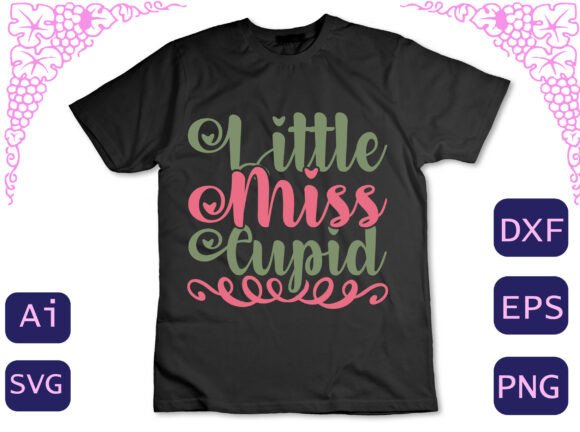
Little Miss Cupid 2026 immediately establishes a playful, romantic mood that feels perfectly timed for the early months of the year. The visual personality is distinct without being overwhelming. In terms of layout, the design strikes a balance between character-driven imagery and negative space, which is crucial for embroidery project success. Unlike many freebie graphics that feel cluttered or too dense for small hoops, this design seems to breathe.
The shape suggests a versatile application. It doesn't scream "wall art"; instead, it whispers "wearable accessory." The curves in the design lines are smooth, suggesting that the underlying stitch path will likely handle satin stitches well without excessive puckering. For a designer looking to create a cohesive collection, the visual consistency here is strong enough to anchor a series of Valentine's Day products, from nursery decor to adult apparel.
Real-World Application: From Screen to Stitch
I recently tested this concept by imagining a custom embroidered tote bag for a local boutique client. The goal was to create a gift item that felt personal but remained professional. Placing Little Miss Cupid 2026 on a canvas tote offers an interesting challenge. The fabric texture of heavy cotton canvas requires a design with enough fill density to stand out against the weave.
If we look at a sweatshirt application, the design shines. The softness of fleece blends beautifully with the delicate nature of the cupid theme. However, I had to consider the stitch density. If the design is too light, it might get lost on a thick, textured sweater. If it is too heavy, it could weigh down the shoulder area. Based on the file structure provided in the download, it appears optimized for standard hoop sizes, making it ideal for chest logos or centered back prints on hoodies.
For the Etsy seller or small business owner, this design offers high value. Imagine a set of baby onesies featuring this motif. The soft colors and simple shapes translate exceptionally well to infant wear. Parents often prefer designs that are sweet rather than chaotic, and this fits that criteria perfectly. It also works well as a personalized gift for a wedding shower, where the recipient might want a kitchen towel or a pillow cover with a subtle nod to romance.
Where Caution is Required
Even the best machine embroidery design has its limitations. I need to be honest about where Little Miss Cupid 2026 might struggle. One major consideration is the hoop size. If you attempt to stitch this on a very small hoop, such as one used for cuff embroidery on a child's shirt, the details might become muddy. The fine lines of the bow or the arrow could merge if the resolution isn't high enough for the scale.
Textured fabrics present another hurdle. While this design looks great on smooth cottons and poly-blends, applying it to a highly textured bouclé or a fuzzy chenille fabric could obscure the definition of the stitching. Similarly, thin fabrics require careful handling. Without the proper stabilizer, the tension required to hold the design together might cause the fabric to pucker or tear around the edges of the design.
Dense stitch areas should also be monitored. If the design includes large blocks of fill stitch, it may not lie flat on curved surfaces like caps or beanies. The curvature of the hat can distort the geometry of the cupid figure, potentially making the face look slightly off-center. For these applications, testing on a scrap piece of the actual garment material is non-negotiable.
Visual Appeal and Product Value
In the world of handmade goods, presentation is everything. A well-executed embroidered patch or tote bag design signals quality to the buyer. Little Miss Cupid 2026 contributes positively to brand consistency. When a shop owner uses this design across various items—pillow covers, aprons, and tea towels—it creates a recognizable visual language that builds customer trust.
The clarity of the stitches directly impacts the perceived value of the finished product. If the thread colors chosen contrast poorly with the fabric, the design loses its impact. I recommend selecting thread colors that complement the design's mood without clashing. For instance, using a deep red for the bow against a white background creates a classic, high-end look, while pastels might lean more toward a whimsical, budget-friendly vibe. The choice dictates whether the item feels like a luxury boutique product or a casual craft fair find.
Furthermore, the design's versatility extends to commercial embroidery projects. It can be used to create mockups for online listings, giving potential buyers a clear idea of what they are purchasing. This reduces return rates because the expectation matches the reality of the finished product.
Practical Designer Notes for Success
Before you commit to running this design through your machine for a client order, there are several technical steps you must take. First, always test the design on scrap fabric. This allows you to see how the thread colors interact with the specific dye lot of your fabric and ensures the stitch density is appropriate.
Review the file format carefully. The download includes SVG and DXF files, which are excellent for cutting machines like Silhouette or Cricut, but remember that these are vector formats. You will need to digitize them into a machine-readable format (like .DST or .PES) unless the package explicitly includes the embroidery file itself. Do not assume the SVG converts automatically to a perfect embroidery file; manual adjustments are often necessary to ensure the satin stitch and running stitch paths align correctly.
Inspect the small details. Zoom in on the digital preview to check for any tiny lettering or intricate corners that might get lost during the stitching process. If the design includes text, verify that the font weight is sufficient for the intended garment size. Also, confirm the licensing terms. Even though this falls under the category of Freebies and Graphics, some licenses restrict commercial use. Always read the fine print before selling finished items.
Finally, consider the washability. Products that need frequent washing, like kitchen towels or baby clothes, require durable stitching. Ensure that the design does not have loose threads or areas that might snag easily. Using the correct stabilizer is critical here; a cut-away stabilizer is usually best for garments that will be washed repeatedly, while tear-away might suffice for decorative items like pillows.
In conclusion, Little Miss Cupid 2026 is a charming addition to any designer's library, provided it is treated with the same professional scrutiny as any paid asset. It offers a solid foundation for creating heartfelt, high-quality handmade products. By understanding its strengths and respecting its limitations, you can turn this digital download into a profitable, beloved physical item for your customers.