Shiba Inu Mascot Clipart Set
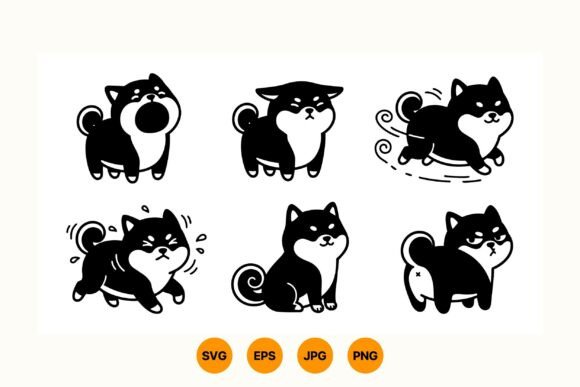
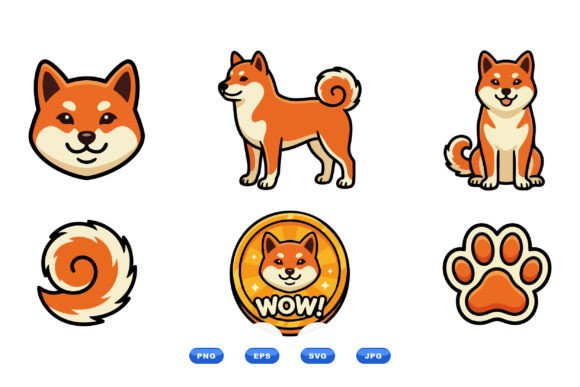
I have spent years reviewing machine embroidery design files for clients ranging from boutique owners to hobbyist crafters. Most of the time, I am looking at digitized stitches ready to go into a hoop. However, when I stumbled upon this Shiba Inu Mascot Clipart Set, my first thought was not about stitch density or underlay types, but about the sheer potential it holds for a finished product that sells itself. This is a collection of playful cartoon sticker-style graphics featuring Shiba Inu faces, full-body poses, curled tails, paws, and a coin badge. It is flat vector art designed for branding and social media, but as a designer eyeing real-world application, I immediately started visualizing how these elements would translate from a screen to a stitched textile.
The First Impression: Mood and Market Fit
The moment you open the ZIP package containing this Graphics set, the vibe is undeniable. It is cheerful, approachable, and undeniably cute without being overly complex. The Shiba Inu has become a cultural icon in internet culture, often associated with loyalty and a spirited personality. By capturing that essence in a "mascot" style, this set hits a sweet spot for modern consumers who value personality in their accessories. Unlike rigid corporate logos, this Shiba Inu Mascot Clipart Set feels like a character waiting to be brought to life. It creates an immediate emotional connection, which is exactly what you want when creating items for Etsy listings or small shop merchandise.
The layout is clean, and the individual elements are distinct. You have the option to use just the face for a subtle detail, or the full-body pose for a statement piece. The inclusion of the coin badge adds a touch of whimsy that could easily be interpreted as a "lucky charm" motif. For a creative entrepreneur, this versatility is gold. It suggests that the design can adapt to various contexts, from a serious brand identity to a fun, handmade gift.
Real-World Application: A Case Study
To truly understand the utility of this asset, let us look at a practical scenario. Imagine you are preparing inventory for a holiday craft fair. You need a custom embroidered tote bag that stands out on a crowded table. You decide to feature a Shiba Inu theme because it appeals to dog lovers and general audiences alike. Using this embroidery file concept (assuming proper digitization), you place the full-body pose on the front panel of a canvas tote.
The flat vector art translates well here. Because the original design is simple and bold, it avoids the clutter that often plagues poorly digitized illustrations. When stitched onto the canvas, the Satin Stitch outlining the dog's features will pop against the textured fabric. The "curled tail" element becomes a perfect accent on the side pocket, while the "coin badge" could serve as a focal point on a matching apron. Customers walking by will stop because the design communicates joy and warmth instantly. It transforms a standard tote bag into a personalized gift that feels thoughtful and unique.
This same logic applies to baby clothing. A soft sweatshirt or a onesie featuring the Shiba Inu mascot is a hit for new parents. The design is friendly enough for a nursery decor item like a pillow cover, yet robust enough for a durable kitchen towel. The key here is that the Shiba Inu Mascot Clipart Set offers a cohesive visual language. Whether you are selling a single item or a curated collection, the consistent style builds brand recognition and trust.
Where to Exercise Caution
While the design is charming, a professional reviewer must always consider the limitations of the medium. Embroidery is not printing; it relies on thread density and fabric stability. If you attempt to apply this embroidery project to a very small hoop size, such as those used for cufflinks or tiny patches, you may lose the definition of the "full body poses." The details might merge together, turning a cute dog into a fuzzy blob.
Furthermore, the texture of the fabric plays a massive role. On thin, stretchy fabrics like lightweight jersey or silk, the tension required for the fill stitches might cause puckering. This is particularly risky if you are using dark fabric where thread contrast is critical. If the background is black, you will need to ensure your thread colors are bright enough to cut through the darkness, or the Shiba Inu might disappear into the void. Curved surfaces like caps also present a challenge; while the design is scalable, the curvature of a hat brim can distort the proportions if the digitization does not account for the curve radius properly.
For products that require frequent washing, such as work aprons or kids' clothes, you must verify the stitch density. If the design is too dense, it will feel stiff and uncomfortable. If it is too sparse, the threads may snag or fade quickly. Always test the design on scrap fabric first to gauge how the stitch density interacts with your specific material.
Visual Appeal and Product Value
In the world of handmade products and digital product previews, presentation is everything. A well-executed version of the Shiba Inu Mascot Clipart Set elevates the perceived value of your finished product. It signals professionalism. When a customer sees a crisp, well-stitched Shiba Inu on a high-quality tote bag, they assume the rest of the business operates with similar care. This perception drives engagement and encourages repeat purchases.
The design assets are particularly effective for commercial embroidery projects where branding consistency is key. You can mix and match the different elements—the paw print, the face, the badge—to create a patterned border on a blanket or a repeating motif on a tea towel. This variety keeps the design fresh and prevents the "one-note" look that sometimes happens with mass-produced items. For an Etsy seller, having a versatile design allows you to list multiple variations of the same core asset, maximizing your catalog without reinventing the wheel.
Practical Designer Notes for Success
Before you commit to a large production run, there are several technical steps every designer should take. First, review the stitch density. If the file is provided as a vector, you will need to convert it to an embroidery format, paying close attention to how the Satin Stitch and Fill Stitch are applied. Ensure that the running stitch outlines are tight enough to hold the shape but loose enough to allow for fabric movement.
Check thread color contrast meticulously. A light gray thread on a white background will fail, no matter how cute the design is. Use proper stabilizer to support the fabric during stitching; this is non-negotiable for maintaining the integrity of the embroidered patch or garment. Inspect small details closely; the "coin badge" might contain fine text or intricate lines that require a higher resolution to stitch clearly.
It is also wise to test the design in black and white mockups. This helps you visualize the silhouette and ensures the design works even if the color palette is limited. Compare light and dark fabric backgrounds to see how the mood shifts. Finally, confirm licensing terms before selling finished items. Some designs are for personal use only, while others allow for commercial resale. Understanding these boundaries protects your craft business from legal issues.
Ultimately, the Shiba Inu Mascot Clipart Set is more than just a collection of images; it is a toolkit for storytelling. Whether you are making a holiday gift for a neighbor or launching a line of boutique apparel, this design provides the visual anchor needed to create something memorable. It bridges the gap between digital creativity and tactile craftsmanship, offering a reliable foundation for your next big project. Just remember that the magic lies not just in the graphic, but in how carefully you execute the stitch.