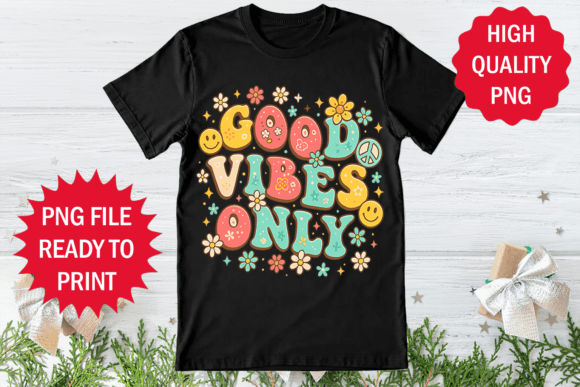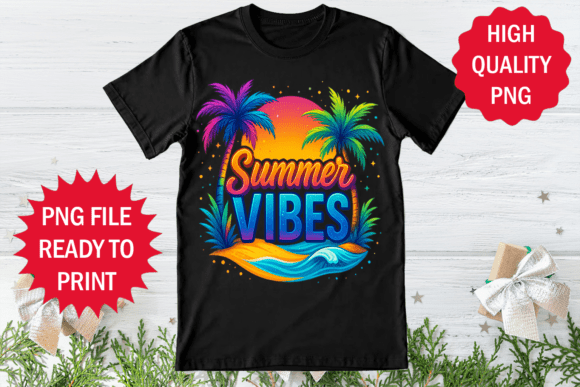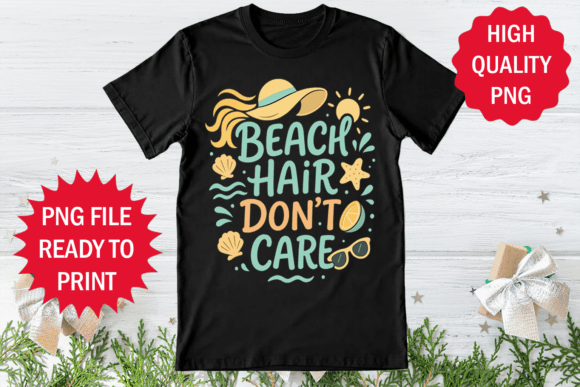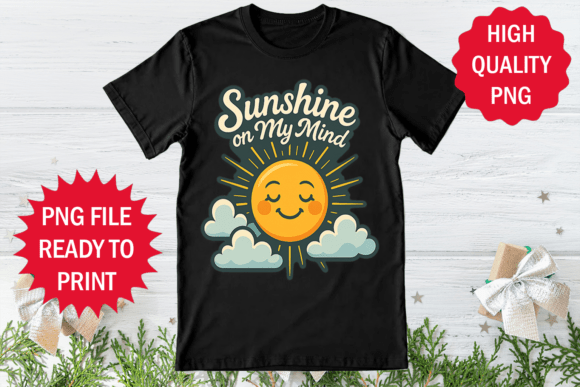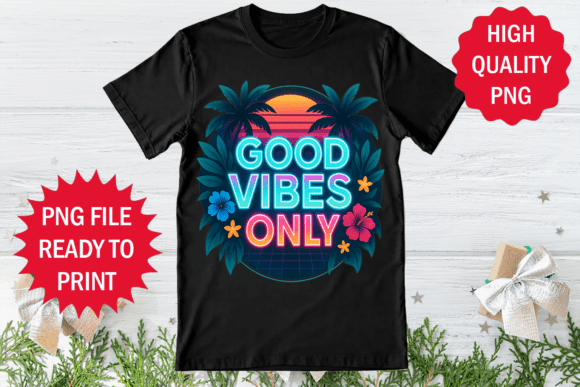
Summer Good Vibes Only Summer T-shirt Review
I have spent years reviewing embroidery files for everything from boutique branding to custom holiday gifts. When I first saw Summer Good Vibes Only Summer T-shirt, my initial reaction was a mix of excitement and caution. The file is listed under Freebies and Graphics, which often signals a casual download rather than a precision-engineered machine embroidery design. However, as someone who values practical results over hype, I decided to put this design through the same rigorous testing process I use for commercial client projects. The question isn't just whether it looks good on a screen, but how it translates to thread, fabric, and the hands of a customer.
The First Impression: Mood and Visual Personality
The moment you open the file, the mood is immediately clear. This isn't a subtle, minimalist piece; it is loud, colorful, and unapologetically cheerful. The layout suggests a graphic t-shirt aesthetic that relies on bold lines and vibrant colors to convey its message. For an embroidery designer, the challenge here is translating a raster-style sublimation PNG into stitchable data without losing that "trendy" energy. The visual personality of Summer Good Vibes Only Summer T-shirt screams summer festivals, beach days, and carefree afternoons. It naturally belongs in projects that need to grab attention quickly, such as a tote bag design for a craft fair or a personalized gift for a teenager.
The color palette implies a need for high-contrast thread choices. If the original graphic uses neon greens against bright oranges, the embroidery file must account for how those threads reflect light differently than ink does. A well-executed version of this design would feel like a burst of sunshine on a gray day, whereas a poorly digitized one could look muddy or cluttered. The shape and theme suggest a project that is meant to be seen, making it ideal for apparel decorators looking to add a pop of color to standard inventory.
Real-World Application: From Screen to Stitch
Let's imagine a real scenario. You are preparing for a local artisan market next weekend. You want to create a line of embroidered patches and sweatshirt embroidery pieces that match your current best-sellers. You decide to test Summer Good Vibes Only Summer T-shirt on a few items before committing to a full production run. You start with a soft cotton tote bag design. The large surface area allows the design to breathe, and the sturdy canvas fabric can handle the weight of the stitches without puckering.
Next, you try it on a baby item, perhaps a onesie or a small bib. Here, the stakes are higher. The design needs to be soft enough not to irritate sensitive skin but durable enough to survive frequent washing. If the stitch density is too high, the fabric might become stiff, ruining the comfort factor essential for baby embroidery. Conversely, if the density is too low, the fine details might get lost in the weave of the thin fabric. This is where the design's true character shines or fails. If the Summer Good Vibes Only Summer T-shirt file handles these transitions well, it becomes a versatile asset for a small shop product line.
I also considered using this for a kitchen towel or apron. The text-heavy nature of the design works well on flat surfaces like tea towels, where the message is front and center. However, applying it to a curved surface like a cap requires careful consideration of the hoop size and the curvature of the hat. The design elements must flow with the curve of the cap to avoid distortion. If the file includes a running stitch for outlines, it should follow the contours smoothly. If it relies heavily on fill stitch, the density might cause the fabric to pucker around the brim of the hat.
Where to Exercise Caution
While the concept is strong, there are specific situations where Summer Good Vibes Only Summer T-shirt might struggle. Small hoop sizes are a primary concern. If the design contains intricate lettering or tiny decorative accents, shrinking it down to fit a 4x4 inch hoop could result in illegible text or missing details. Embroidery designers know that detail is the enemy of the small hoop.
Textured fabrics present another hurdle. If you attempt to stitch this onto a thick fleece sweatshirt or a rough burlap tote, the needle might struggle to penetrate the material cleanly, leading to skipped stitches or thread breaks. Thin fabrics, such as lightweight polyester blends, are equally risky. Without proper stabilizer, the tension required to hold the design together could tear the fabric or cause the stitches to pull the garment out of shape. Stretchy fabrics require even more attention; the design must be balanced so that the elasticity of the shirt doesn't distort the pattern after the first wash.
Dense stitch areas are particularly tricky with colorful graphics. If the design attempts to replicate complex shading using satin stitch, it may look bulky and lose definition. Dark fabrics also pose a challenge; unless the file includes a generous underlay or a specific color strategy for the background, the bright colors might not pop as intended against a black or navy base. Finally, products that need frequent washing, like work aprons or daily wear caps, demand a robust stitch structure. If the design is too delicate, it will fray or fade quickly, damaging the reputation of the handmade product.
Impact on Visual Appeal and Brand Value
The quality of the final finished product directly influences customer trust and brand consistency. A crisp, well-placed Summer Good Vibes Only Summer T-shirt design elevates a simple item into a statement piece. It signals that the maker cares about details and has invested time in creating something professional. On the other hand, a sloppy execution—where threads bunch up or colors bleed—can make even a freebie design look cheap.
For Etsy sellers and digital product sellers, the visual appeal of the mockup is crucial. If the design assets are used in printable mockups, they must look realistic. Customers buying personalized gifts expect a level of craftsmanship that matches the photos. A design that translates well from digital preview to physical reality builds recognition and encourages repeat business. It transforms a generic summer vibe into a tangible memory that customers keep long after the season ends.
Practical Designer Notes for Success
If you plan to use this file in your commercial embroidery projects or personal craft business, follow these steps to ensure success. First, always test the design on scrap fabric that mimics your final material. Check the thread color contrast carefully; what looks vibrant on a monitor might appear dull in thread form. Review the stitch density to ensure it isn't too heavy for the chosen fabric type.
Confirm your hoop size before starting. If the design is large, you may need a multi-hoop setup, which adds complexity to the process. Inspect small details closely; sometimes, letters that look clear in a preview become unreadable when stitched. Test the design in black and white mockups to check the balance of light and dark areas, ensuring the composition holds up without relying solely on color.
Use the proper stabilizer for the fabric texture you are working with. Whether it is cut-away for stretchy knits or tear-away for wovens, the right support is non-negotiable. Verify whether the design works for both personal and commercial projects by checking the license terms provided with the download. Many free files come with restrictions on selling finished items, so confirming licensing before selling is a critical step to avoid legal issues.
In conclusion, Summer Good Vibes Only Summer T-shirt has the potential to be a standout addition to any summer collection, provided it is handled with technical expertise. It offers a fun, energetic vibe that resonates with buyers looking for unique, handmade goods. By approaching it with a critical eye and following sound embroidery practices, you can turn a simple graphic into a profitable, high-quality product that brings joy to your customers.