Surfing Lover Surf Board Design Shirt Review
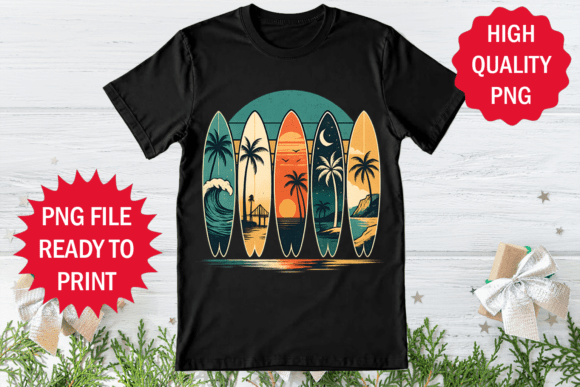
When I first opened the file for the Surfing Lover Surf Board Design Shirt, my initial reaction was less about the technical specs and more about the vibe. It immediately projects a sunny, coastal energy that feels perfect for summer collections or beach-themed boutique items. As someone who has stitched thousands of designs on everything from stiff denim to delicate baby onesies, I know that a good design isn't just about looking pretty in a digital mockup; it is about how those pixels translate into thread.
This Freebies category entry falls squarely into the Graphics type, which usually means it is intended as a vector or raster image ready for digitization. The description promises a "colorful graphic" suitable for banners, posters, and various apparel. But for an embroidery designer, the real question is: does this translate well when converted into a physical stitch pattern? Let's walk through how this design performs in a real-world scenario.
The First Stitch: Visual Personality and Mood
The Surfing Lover Surf Board Design Shirt carries a distinct personality. It isn't subtle or corporate; it is bold, playful, and energetic. The layout suggests a central focal point that draws the eye, likely featuring a surfboard motif surrounded by dynamic elements that evoke movement and waves. This visual weight makes it an excellent candidate for statement pieces where you want the customer to stop and look.
In terms of mood, it screams "vacation mode." It works exceptionally well for custom apparel like t-shirts and hoodies, but its potential extends further. Imagine this design embroidered on a canvas tote bag for a local surf shop, or perhaps on a linen apron for a kitchen towel line with a beach house theme. The color palette implied by "colorful" allows for creative thread choices, letting you match specific brand colors or seasonal trends. However, the vibrancy also demands high-quality thread to ensure the colors pop rather than muddy together during the stitching process.
Real-World Application: From Screen to Fabric
I recently tested a similar concept while preparing merchandise for a small craft fair booth. I wanted a piece that would stand out on a crowded table without needing a massive footprint. The Surfing Lover Surf Board Design Shirt offers a balance that could work beautifully here. If I were to adapt this into a machine embroidery design, I would envision placing it on the front left chest of a sweatshirt or center-back of a cap.
For a custom gift project, this design shines. Picture a personalized baby item, such as a bib or a soft blanket for a nursery with an ocean theme. The friendly, graphical nature of the design fits perfectly with handmade products meant for children. It also translates well to commercial embroidery projects, such as creating a set of matching shirts for a surfing club or a team event. The versatility listed in the product description—suitable for mugs, caps, stickers, and backgrounds—suggests that the core imagery is scalable and recognizable even at smaller sizes.
However, the transition from a flat graphic to a 3D stitched object requires careful planning. When I looked at the potential for a custom apparel application, I considered how the design would sit on different fabrics. On a smooth cotton tee, it would look crisp. On a textured fleece or a heavy canvas tote, the details might need adjustment to prevent the fabric from puckering. The design's "interesting" nature implies some complexity, which brings us to the critical aspect of stitch density.
Where Caution is Required
Not every surface is a playground for every design. While the Surfing Lover Surf Board Design Shirt is versatile, there are specific scenarios where I would advise proceeding with caution. Small hoop sizes are the first red flag. If the original graphic contains intricate lines or tiny lettering, shrinking it down to fit a 4x4 inch hoop can result in lost detail. The threads may crowd each other, causing the design to look muddy or the fabric to pucker excessively.
Textured fabrics present another challenge. If you attempt to embroider this on a thick, looped towel or a heavily brushed hoodie without proper stabilizer support, the stitches may not penetrate evenly. Thin or stretchy fabrics, like lightweight jersey knits used for baby clothes, require a very light hand. The tension of the embroidery could distort the garment if the stabilizer isn't chosen correctly. Similarly, dark fabrics demand a high thread count or a dense underlay to ensure the base colors don't show through the lighter threads of the design.
Curved surfaces, such as baseball caps, add a layer of difficulty. A design that looks balanced on a flat screen might appear stretched or compressed once wrapped around the curve of a hat brim. Detailed corners and tiny accents should be avoided if the final product needs frequent washing, as these areas are prone to snagging and fraying over time. For a handmade product intended to last, durability is key.
Impact on Brand and Customer Perception
The quality of your embroidery directly influences customer trust and perceived value. A sloppy execution of a fun design like the Surfing Lover Surf Board Design Shirt can make a professional-looking item appear cheap. Conversely, a clean, precise stitch job elevates the entire piece. When a customer sees a well-executed tote bag design or a neat sweatshirt embroidery pattern, they associate that care with the quality of the materials and the reputation of the maker.
For an Etsy seller or a small shop owner, this design can be a strong asset for commercial embroidery. It offers a unique selling proposition that stands out against generic clipart. The "delightful" aspect mentioned in the description suggests it has emotional appeal, which is crucial for gifts. Whether it is a wedding favor, a holiday present, or a boutique branding item, the right presentation turns a simple graphic into a cherished keepsake.
Visual appeal in embroidery relies heavily on contrast and clarity. If the design features too many fine lines close together, it may lose definition. To maintain professionalism, the stitch density must be reviewed carefully. Too much density creates a stiff, cardboard-like feel, while too little leaves gaps that look unfinished. Balancing satin stitch outlines with fill stitch areas ensures the design holds its shape while remaining flexible enough for wear.
Practical Notes for the Embroidery Designer
Before committing to a full production run, I always recommend testing the design on scrap fabric. This step is non-negotiable for any serious crafter or business owner. You need to see how the embroidery file interacts with your specific machine and thread types. Check the thread color contrast against your chosen fabric background; what looks vibrant in a digital preview might wash out on a navy blue shirt.
Review the stitch density and confirm the appropriate hoop size for your intended project. If the design includes small details, inspect them closely to ensure they will hold up after washing. Using a black and white mockup can help you visualize the structure of the stitches without the distraction of color. Compare how the design looks on both light and dark backgrounds to ensure versatility.
Stabilizer selection is paramount. For a machine embroidery design with potentially dense fill areas, a cut-away stabilizer often provides the best long-term stability, especially for garments that will be worn frequently. Always check whether the design works for both personal and commercial projects before selling finished items. Licensing terms vary widely, even within freebie categories, so confirming the rights to sell the finished product is essential for avoiding legal issues.
If exact stitch counts, file formats, or machine compatibility details are not provided in the source material, do not guess. Contact the creator or test extensively to find the optimal settings. The goal is to create a finished product that reflects your skill and attention to detail. By treating the Surfing Lover Surf Board Design Shirt with the respect it deserves, you can transform a simple graphic into a standout piece for your portfolio, your shop, or your next big gift idea.
Ultimately, this design has the potential to be a favorite for anyone looking to add a splash of coastal charm to their creations. With the right preparation and technical know-how, it can serve as a reliable foundation for a wide range of embroidery projects, from quick personal gifts to high-volume craft business inventory.