Auntie in My Boo Sublimation T-shirt Review
I have spent years reviewing machine embroidery design assets, and I have learned that the most valuable files are often the ones that solve a specific problem for a craft business owner or a hobbyist. Today, I am evaluating the Auntie in My Boo Sublimation T-shirt, a product listed under Freebies and Graphics. While the title suggests a sublimation file intended for heat transfer, as an embroidery designer, my primary interest lies in how this visual concept translates to thread, fabric texture, and real-world stitching.
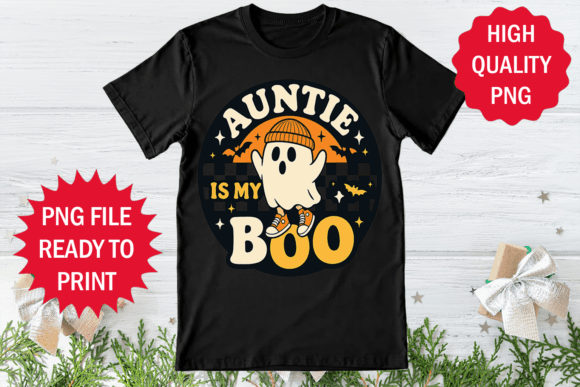
The premise of this design is clear: it targets the "Auntie" demographic with a playful, modern twist. The mood is immediately friendly, nostalgic, and slightly edgy. When I first looked at the layout, I didn't see a generic family tree chart; I saw a statement piece. For a small shop owner or an Etsy seller, this kind of personality-driven graphic is gold. It speaks directly to the buyer's identity. However, turning a colorful graphic into a stitched reality requires more than just hitting the start button on your machine. It requires judgment.
From Screen to Stitch: A Real Project Scenario
To truly understand the potential of the Auntie in My Boo Sublimation T-shirt design, let's imagine a practical scenario. You are preparing for the upcoming holiday season, and you want to create a custom embroidered tote bag for your local craft fair. Your goal is to offer a personalized gift that feels boutique-quality but can be produced quickly.
You select the design to place on the front of a canvas tote. At first glance, the concept works perfectly. The text is bold, and the central figure (implied by the "Auntie" theme) promises a focal point. But here is where the review gets critical. If this design contains fine lines or tiny details typical of sublimation graphics, they might get lost in the weave of the canvas or disappear entirely if the stitch density isn't adjusted. In my experience, a design that looks crisp on a screen often needs significant simplification when converted to an embroidery file.
If you are planning to use this for a sweatshirt embroidery project, the heavy cotton blend provides a sturdy base. The design would likely hold up well against the fabric's thickness. However, if you attempt to stitch this onto a baby item like a onesie or a soft hat, you must consider the weight of the threads. A dense fill stitch could make the fabric stiff and uncomfortable for a baby. The design's success in this context depends entirely on whether the original artist optimized the stitch density for delicate fabrics or if you will need to manually reduce it before stitching.
Navigating Fabric Challenges and Hoop Sizes
Not every surface is created equal, and the Auntie in My Boo Sublimation T-shirt design has limitations based on where you choose to apply it. One of the most common mistakes I see in the crafting community is trying to embroider complex designs on curved surfaces without proper preparation. If you intend to use this on a cap or a bucket hat, the curvature of the brim can distort the lettering. The text might stretch or compress, ruining the readability of the phrase.
For products that require frequent washing, such as kitchen towels or aprons, the durability of the stitches is paramount. If the design relies heavily on satin stitch for outlines, those edges can snag easily on rough fabrics or during the wash cycle. I recommend testing the design on scrap fabric first to ensure the thread colors remain vibrant after a few cycles. Dark fabrics present another hurdle. If the background of the design is light or white, it may not show up clearly on a black hoodie unless you use a high-density underlay or a specific stabilizer technique to prevent the dark fabric from bleeding through the stitches.
Small hoop sizes are particularly tricky. If the design includes intricate decorative accents or detailed corners, shrinking them down to fit a 4x4 inch hoop can result in a muddy mess. The individual stitches may merge together, losing the definition that makes the design appealing. This is especially true for running stitch elements that rely on spacing to look clean. Always check the dimensions of the digital asset before committing to a small product like a patch or a small cap logo.
Visual Appeal and Customer Trust
In the world of handmade products and commercial embroidery, the finished product is your brand ambassador. A poorly executed design can erode customer trust instantly. If the Auntie in My Boo Sublimation T-shirt design appears wobbly, has loose threads, or lacks contrast, customers will perceive the entire product as low quality, regardless of how cute the concept is.
Conversely, a well-executed version of this design can elevate a simple tote bag into a premium gift item. The key is consistency. If you are selling these items on Etsy or at a craft fair, your branding needs to align with the quality of the embroidery. Using the right stabilizer is non-negotiable. Without proper support, even the best design file will pucker, making the final product look unprofessional. This is particularly important for personalized gifts where the emotional value is high; a puckered shirt is rarely a cherished keepsake.
The design also affects the perceived value of your merchandise. A design that is too simple might feel cheap, while one that is too complex might drive up production time and cost. Finding the sweet spot ensures that your small shop product remains profitable while still delivering high aesthetic value. The playful nature of the Auntie theme allows for creativity in color selection. You can pair bright, cheerful threads with neutral backgrounds to make the design pop, or go for a monochromatic look for a more sophisticated vibe.
Practical Designer Notes for Success
Before you rush to stitch this design, there are several technical checks you must perform. First, verify the file format. Since the product description mentions it as a sublimation clipart, it might come in raster formats like PNG or JPG rather than vector or native embroidery formats. If so, you will need to digitize it yourself or use tracing software, which introduces the risk of inaccuracies.
- Test on Scrap: Always run a test stitch on a scrap piece of the same fabric you plan to use. This reveals issues with tension, pull-in, and stability before you ruin a customer's garment.
- Check Contrast: Ensure the thread colors chosen provide enough contrast against the fabric. A light gray thread on a white shirt is invisible; a dark navy on a navy shirt is subtle. Adjust your palette accordingly.
- Review Density: Look at the fill stitch areas. If they are too dense, the fabric will bunch up. If they are too sparse, the design will look thin and weak. Adjust the settings to match the fabric type.
- Inspect Details: Zoom in on the digital preview. Are there any tiny letters or sharp corners that might break down? Simplify these elements if necessary.
- Licensing Check: Even though this is listed under Freebies, confirm the license terms. Some free designs allow personal use only, while others permit commercial sales. Never assume; read the fine print to avoid legal trouble when selling your handmade product.
Ultimately, the Auntie in My Boo Sublimation T-shirt offers a strong conceptual foundation for a variety of projects. Whether you are creating a tote bag design for a mother's day gift, a baby embroidery piece for a new aunt, or a holiday embroidery item for a family gathering, the core message resonates. However, the difference between a successful product and a failed one lies in your execution. By paying attention to fabric texture, hoop size, and stitch density, you can transform this digital asset into a tangible, high-quality finished product that your customers will love.
Remember, the best design assets are those that empower the creator to tell a story through thread. With careful planning and a keen eye for detail, this design can become a staple in your repertoire of custom apparel and digital embroidery file offerings. Just take the time to prep, test, and refine, and you will be well on your way to creating something truly special.