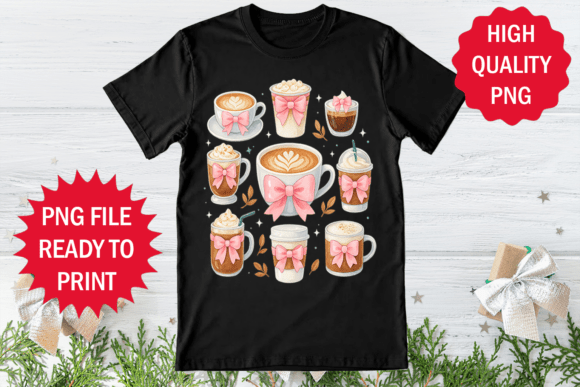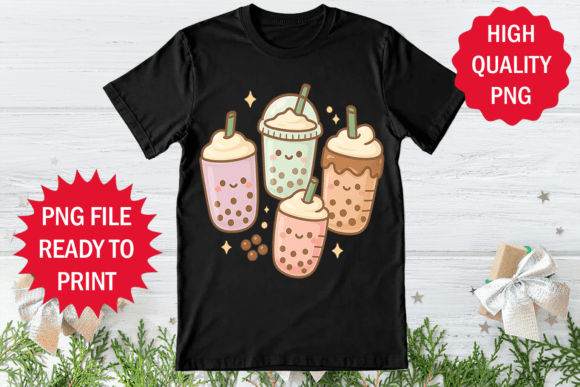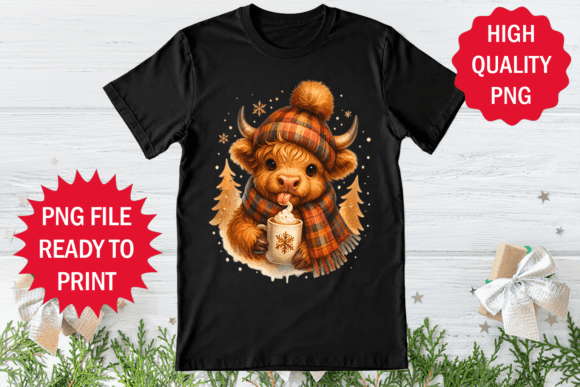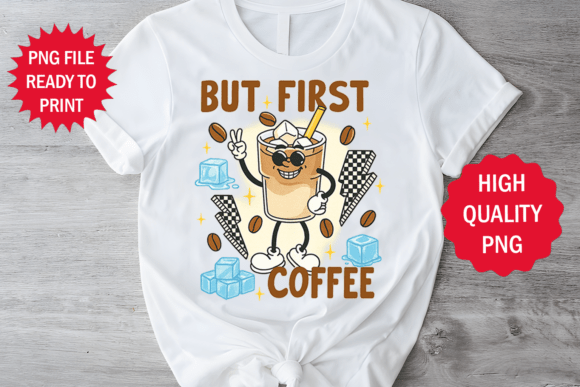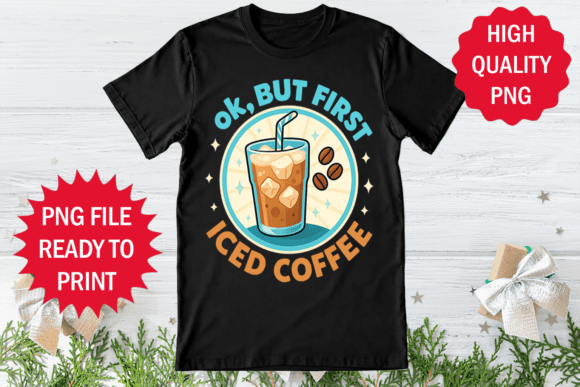
First Iced Coffee Design Sublimation Png Review
As a designer who has spent years turning digital files into tangible, stitched realities, I approach every new asset with a mix of excitement and skepticism. When I first encountered the First Iced Coffee Design Sublimation Png, my immediate thought wasn't about its marketing copy or its categorization under Freebies and Graphics. Instead, I asked myself the only question that matters in our trade: how will this actually look when it is stitched onto fabric? The title suggests a sublimation file, but the visual personality of the design screams for machine embroidery. It captures that specific, cozy winter vibe that everyone loves, yet translating a colorful graphic into thread requires more than just hitting "print." This review breaks down exactly how this design performs in real-world scenarios, from boutique inventory to personalized holiday gifts.
The First Impression: Mood and Visual Personality
The moment you open the file, the design exudes a sense of relaxed comfort. It isn't trying to be aggressive or overly complex; rather, it leans into the universal love for a warm beverage on a cold day. The layout feels balanced, making it an ideal candidate for custom apparel where the design needs to sit comfortably without overwhelming the wearer. For a handmade product, this kind of mood is crucial. It creates an instant emotional connection with the customer before they even touch the item. Whether you are designing for a coffee shop loyalty program or a personal gift, the First Iced Coffee Design Sublimation Png carries a friendly, inviting energy that translates well into physical form. It feels like a design that belongs on a soft sweatshirt or a sturdy tote bag, instantly communicating a lifestyle rather than just a logo.
Real-World Application: From Screen to Stitch
I recently put this design to the test while preparing a batch of custom embroidered patches for a local craft fair booth. The goal was to create small, durable items that customers could pin to their jackets or bags. While the original file is labeled as a sublimation PNG, the core graphic elements are versatile enough to serve as a foundation for a machine embroidery design. However, the transition from a flat image to a stitched piece requires careful planning. If you are using this as a reference for digitizing a machine embroidery design, the color blocking is excellent for creating distinct sections using different thread colors.
Imagine using this concept for a sweatshirt embroidery project aimed at a winter market. The design's bold lines would hold up well against the texture of fleece, provided the stitch density is adjusted correctly. I also considered applying this to a tote bag design for a small business owner looking to sell branded merchandise. The central placement works perfectly there, offering high visibility without interfering with the handles. For a baby embroidery project, such as a onesie or a blanket, the playful nature of the iced coffee theme adds a touch of whimsy that parents adore. The key is adapting the vector-based look of the PNG into the tactile reality of satin stitches and fill stitches.
Where to Exercise Caution
Not every surface is a canvas for this design. There are specific limitations you must respect to ensure your finished product looks professional. If you attempt to stitch this on a curved surface like a cap or a hat, you need to be mindful of the distortion that occurs around the brim. A design that looks perfect on a flat mockup might warp if the hoop size isn't optimized for the curve. Similarly, textured fabrics can hide the fine details of the running stitch or thin outlines, potentially making the coffee cup look muddy or indistinct.
Thin or stretchy fabrics present another challenge. Without proper stabilizer, the tension required for the design could cause puckering, ruining the drape of the garment. Dark fabrics require extra attention to thread contrast; if the design relies on subtle shading, it may get lost against a black background unless you use high-density underlay techniques. Additionally, products that undergo frequent washing, like kitchen towels or aprons, demand a robust stitch structure. If the fill stitch areas are too light, they may wear down quickly, leading to a frayed appearance after just a few cycles. Always test these variables before committing to a large production run.
Impact on Brand and Customer Trust
In the world of Etsy seller businesses and craft business owners, the quality of your embroidery speaks volumes about your brand consistency. A clean, well-executed embroidery project builds buyer engagement and trust. When a customer receives a personalized gift or a small shop product that features crisp stitching and vibrant colors, they are more likely to return. Conversely, a design that fails to translate well from screen to fabric can damage your reputation. The First Iced Coffee Design Sublimation Png offers a strong starting point for a commercial embroidery line, but only if the execution matches the promise of the digital preview.
For those creating design assets or printable mockups to showcase their services, this graphic provides a realistic example of what a winter-themed collection could look like. It helps potential clients visualize the final outcome, bridging the gap between a digital idea and a physical reality. However, remember that a digital embroidery file derived from a PNG often requires significant manual adjustment to achieve true commercial quality. The initial image is a guide, not the final blueprint.
Practical Notes for the Designer
Before you commit to using this design in a client project or a mass-produced item, follow these essential steps. First, always test the design on scrap fabric that matches your intended material. This allows you to see how the fabric texture interacts with the stitches and whether any adjustments to the hoop size are necessary. Second, review the stitch density closely. If the design includes tiny lettering or detailed corners, consider simplifying them to prevent thread breakage and maintain clarity.
Check your thread color contrast by testing the design in both black and white mockups to ensure legibility across different backgrounds. Verify whether the design works for both personal and commercial projects by checking the licensing terms associated with the Freebies category. Confirm that you have the right stabilizer for the weight of the fabric you are using. Finally, inspect small details under good lighting to ensure no elements are lost in the stitching process. By treating the First Iced Coffee Design Sublimation Png as a conceptual starting point rather than a finished product, you can elevate your finished product to a level that rivals top-tier boutiques.
Ultimately, this design is a versatile tool for creative entrepreneurs willing to put in the work to adapt it. It fits naturally into holiday embroidery collections, nursery decor, and everyday wearables. With the right technique, it transforms from a simple PNG into a cherished piece of handmade product art.