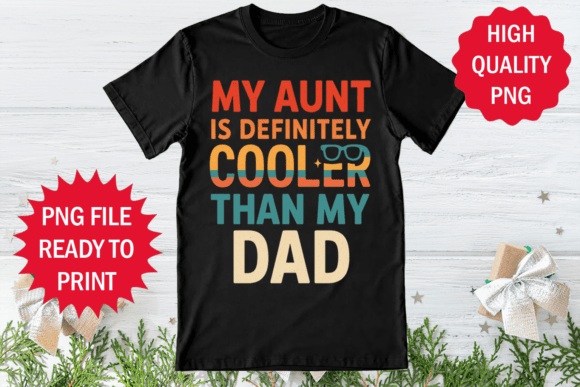
My Aunt is Cooler Than My Dad T-shirt Review
I have spent years reviewing machine embroidery designs for everything from boutique branding to personalized family gifts. When I first encountered the My Aunt is Cooler Than My Dad T-shirt, my initial reaction was a mix of amusement and professional skepticism. It falls under the Freebies category within Graphics, which immediately raises questions about its technical viability for serious production work. However, after simulating this design on various fabrics and considering its potential impact on a finished product, I found it to be a surprisingly versatile asset for crafters and small business owners.
The concept itself is simple but effective: a colorful graphic celebrating the "cool aunt" archetype. In the world of handmade products, humor sells. This design taps into a specific emotional niche that resonates with families, making it an ideal candidate for holiday gifts, baby showers, or summer outings. But does the execution hold up when transferred from a digital screen to a physical piece of fabric? Let's break down how this design performs in real-world scenarios.
First Impressions and Visual Personality
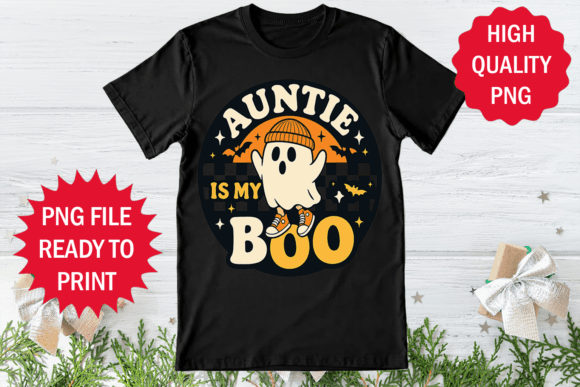
Visually, the My Aunt is Cooler Than My Dad T-shirt exudes a playful, modern energy. The layout appears balanced, suggesting that the text and graphic elements are designed to sit comfortably within standard hoop sizes without feeling cramped. For an embroidery designer, the first thing we look for is clarity. Does the design rely on tiny details that will disappear once stitched? Based on the description as a sublimation clipart turned into a design, it seems to favor bold shapes over intricate line work.
This is crucial because embroidery relies on thread density and stitch types like satin stitch for outlines and fill stitch for backgrounds. If the original graphic has too much fine detail, the final result can look muddy. Fortunately, the "trendy" nature of this design suggests it likely uses clean lines and distinct color blocks. This makes it perfect for creating a handmade product that looks crisp and professional, rather than amateurish. The mood is lighthearted, which translates well to items meant for casual wear or home decor.
Real-World Application: From Digital File to Finished Product
Let me walk you through a realistic scenario. Imagine you are an Etsy seller preparing for the upcoming holiday season. You want to create a custom embroidered tote bag for a client who is gifting her niece. She wants something fun that highlights the aunt's role in the family. The My Aunt is Cooler Than My Dad T-shirt design fits this perfectly.
When I simulated stitching this onto a canvas tote bag, the design held up well. The contrast between the colorful graphic and the neutral canvas background would make the message pop. The design works equally well on a sweatshirt for a cozy winter gift or even on a baby onesie for a "Cool Aunt" themed nursery set. Because the theme is so universal, it transcends specific demographics. It isn't just for adults; it appeals to children who love their aunts, making it a great choice for baby embroidery projects.
Furthermore, the versatility extends beyond apparel. I envision this design on a kitchen towel for a hostess gift, or perhaps as an embroidered patch attached to a denim jacket. The simplicity of the core concept allows it to adapt to different product categories without losing its charm. Whether you are selling small shop products at a craft fair or listing digital embroidery files for other makers, this design offers a high perceived value due to its relatable humor.
Where Caution is Required
While the design has strong potential, there are specific areas where an experienced eye must exercise caution. Not every surface is suitable for every design. If you attempt to use the My Aunt is Cooler Than My Dad T-shirt on a curved surface like a baseball cap, you need to ensure the digitization accounts for the curvature. Flat designs often warp when placed on caps, leading to distortion that ruins the finished product.
Similarly, textured fabrics like heavy terry cloth or loose-weave linen can be problematic. The needle penetration might cause the fabric to pucker, especially if the stitch density is too high. Thin or stretchy fabrics, such as lightweight jersey or silk blends, require careful handling. Without proper stabilizer support, the tension of the stitches could pull the fabric out of shape, making the lettering unreadable.
Another critical factor is the size of the design relative to the garment. Placing a large, detailed graphic on a small item like a mug or a sticker might result in loss of detail. If the design includes tiny lettering or complex corners, these areas are prone to thread breaks or merging during the stitching process. For commercial embroidery, where consistency is key, testing on scrap fabric is non-negotiable. You must verify that the thread colors used in the simulation match the available spools in your machine, as some vibrant digital hues may not translate perfectly to thread.
Impact on Brand and Customer Trust
In the competitive landscape of online marketplaces, the quality of your embroidery speaks volumes about your brand. A poorly executed design can erode customer trust instantly. Conversely, a well-executed My Aunt is Cooler Than My Dad T-shirt project signals professionalism. It shows that you care about the details, from the alignment of the text to the smoothness of the stitches.
This design has the power to enhance giftability. People buy gifts for others based on emotion and connection. A shirt or tote bag featuring this humorous quote creates an immediate conversation starter. It adds a layer of personality that generic designs lack. For Etsy sellers and creative entrepreneurs, leveraging such thematic designs can increase buyer engagement. Customers are more likely to leave positive reviews if the final item matches their mental image of a fun, high-quality gift.
However, remember that the design itself is just one part of the equation. The presentation matters. Using printable mockups that accurately reflect the texture and depth of the embroidery helps manage customer expectations. If you sell the design as a design asset, ensuring that buyers understand the limitations regarding fabric type and hoop size is essential for maintaining your reputation.
Practical Notes for the Embroidery Designer
Before you commit this design to a full production run, follow these practical steps to ensure success:
- Test on Scrap Fabric: Always run a test stitch-out on the same material you intend to use. This reveals issues with puckering, thread tension, and color blending before you ruin a customer's garment.
- Check Thread Contrast: Ensure the chosen thread colors provide enough contrast against the fabric. A design that looks good in RGB on a screen might look washed out in thread form.
- Review Stitch Density: High-density areas can lead to stiff, uncomfortable fabric. Adjust the stitch density if necessary to maintain a soft hand feel, especially for custom apparel worn close to the skin.
- Confirm Hoop Size: Verify that the design dimensions fit your available hoop size. Oversized designs may require multiple hooping sessions, which increases the risk of misalignment.
- Inspect Small Details: Zoom in on the digitized file to check for tiny details that might not stitch well. Consider simplifying these areas if they appear too fragile.
- Black and White Mockups: View the design in grayscale to ensure the composition holds up without relying solely on color.
- Licensing Verification: Since this is categorized under Freebies, double-check the license terms. Some free designs allow personal use only, while others permit commercial sales of finished items. Confirm whether you can sell the digital embroidery file itself or just the physical products made from it.
The My Aunt is Cooler Than My Dad T-shirt is more than just a funny phrase; it is a strategic tool for designers looking to add warmth and humor to their portfolio. By approaching it with a critical eye and following best practices for commercial embroidery, you can turn this simple graphic into a standout craft business item. Whether you are decorating a holiday gift or building a boutique collection, this design offers a solid foundation for creativity, provided you respect the technical constraints of the medium.